If you are missing one tooth or several, you are not short on choices. Patients in Borger, TX exploring tooth replacement options usually end up comparing the same three: dental implants, dentures, and bridges. Each one restores your ability to chew and smile, but they work in very different ways, they feel different day to day, and they suit different mouths. Choosing well starts with understanding how each option works, what it asks of you, and where it has limits. This guide walks through all three, compares them side by side, and explains how Dr. Robertson at Above & Beyond Dental helps Borger patients decide.
What Is a Dental Implant
A dental implant is a small titanium post placed in the jawbone to stand in for the root of a missing tooth. Once it has bonded with the bone, it can support a crown, a bridge, or a denture, depending on how many teeth you are replacing. That is why implants work for a single gap, a few teeth in a row, or an entire arch. Because the post sits in the bone the way a natural root does, the tooth on top feels steady when you bite down.
Options range from single-tooth implants to All-on-4 implants for patients replacing a full arch of teeth. Mini dental implants are another option worth asking about, particularly for anchoring dentures.
How the Dental Implant Process Works
Implant treatment happens in stages, and knowing the stages makes the timeline easier to plan around.
Evaluation and Planning
Your first visit focuses on your teeth, gums, and the bone beneath them. Dr. Robertson uses this information to plan your implant digitally so the post can be placed precisely. You will leave with a clear picture of what treatment involves and how long it should take.
Placing the Implant
The titanium post is placed into the jawbone. This is the foundation for everything that follows, so careful planning at the first stage pays off here.
Healing and Bone Growth
After placement, your jaw needs time to heal. During this period, the bone grows in and around the titanium in a process called osseointegration. This bond is what gives an implant its stability, so it is not a step to rush.
Attaching Your New Tooth
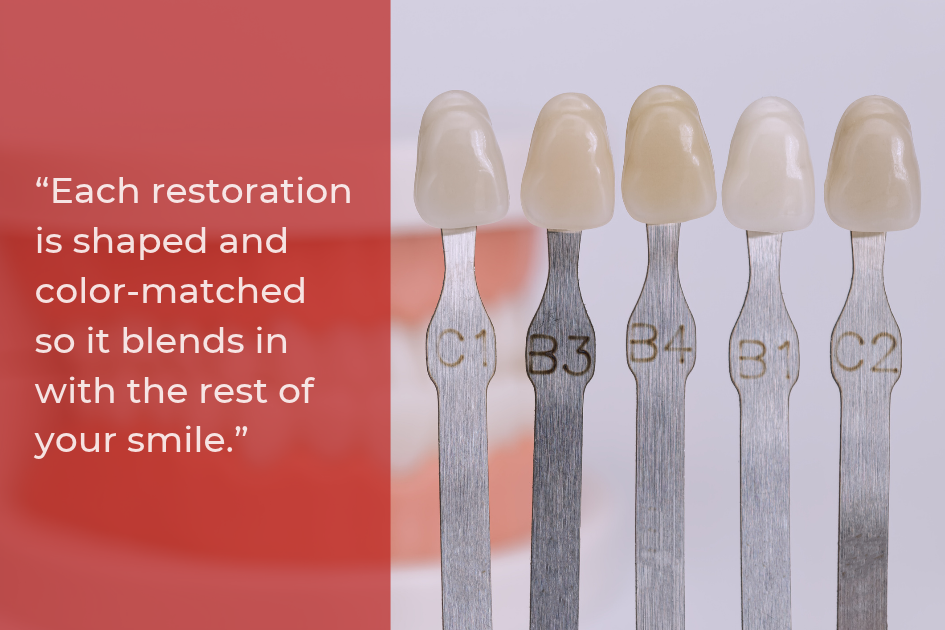
Once healing is complete, Dr. Robertson fits a custom restoration on top of the implant. That could be a crown for one tooth, a bridge for several teeth in a row, or a denture for a full arch. Each restoration is shaped and color-matched so it blends in with the rest of your smile.
The Benefits of Dental Implants
The biggest advantage of an implant is what it does beneath the gumline. When a tooth is lost, the bone that once supported it begins to shrink. Over the years, that loss can change the shape of your face. Because the implant post keeps stimulating the bone, it helps prevent that from happening.
Other benefits patients value include:
- A natural feel when eating, speaking, and smiling
- A replacement tooth that cannot decay the way a natural tooth can
- No need to depend on neighboring teeth for support
- Longevity, since implants can last a lifetime with good brushing, flossing, and regular cleanings
Keep in mind that the gums and bone around an implant still need the same care as the rest of your mouth.
Who Is a Good Candidate for Dental Implants
Most adults who have lost a tooth can be candidates for implants, but the details matter. At your consultation, Dr. Robertson will evaluate your teeth, gums, and jawbone.
If the bone has thinned too much to hold an implant, bone grafting may be needed first to rebuild it. If you have active gum disease, that needs to be treated before an implant is placed. Neither of these issues rules out implants. They simply shape the order of treatment, and you will know the plan before anything begins.
What Are Dentures
Dentures are removable replacement teeth made to fit your mouth. They are designed for patients who are missing several teeth or all of their teeth in an arch. A well-fitted denture lets you eat comfortably, speak clearly, and smile with confidence, and the quality of the fit is what separates a denture you forget about from one you fight with.
Complete vs Partial Dentures
Which type you need depends on how many natural teeth you still have.
Complete dentures replace every tooth in the upper or lower arch. They rest on the gums and stay in place through suction, with denture adhesive added when it helps.
Partial dentures fill the spaces where natural teeth remain. A metal or plastic framework clasps onto your remaining teeth to hold the denture steady.
How Dentures Are Fitted and What to Expect
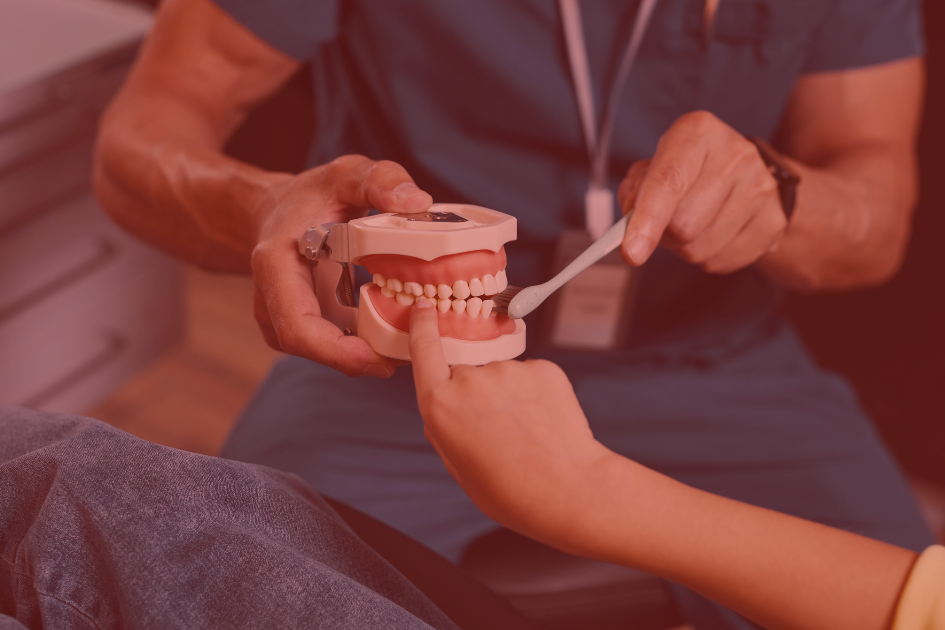
Getting a good fit takes precision. Dr. Robertson takes detailed measurements and impressions of your mouth, then works with the lab on the denture base and the position of each tooth. The aim is a bite that feels natural and a smile that keeps your face looking like yours.
Expect an adjustment period of a few weeks. Your tongue and cheeks need time to get used to the new appliance, and eating and speaking can feel unfamiliar at first. Follow-up visits during this stretch let Dr. Robertson fine-tune the fit so you are comfortable.
When Dentures Feel Loose
If your dentures slip when you eat or talk, you do not have to simply live with it. An implant-retained denture uses a small number of implants, including mini implants in some cases, to hold the denture firmly in place. Patients who struggle with loose dentures often find this makes meals and conversations much easier. It is worth raising at your consultation.
What Is a Dental Bridge
A dental bridge replaces one or more missing teeth by spanning the gap. The teeth on either side, called abutments, are prepared to hold crowns, and the replacement tooth is attached between them as one connected piece. Unlike a partial denture, a bridge is fixed in place, so there is nothing to remove at night or clean outside your mouth.
Traditional vs CEREC Dental Bridges
How a bridge is made affects how many visits you need.
A traditional bridge takes two appointments. At the first, the abutment teeth are prepared, impressions are taken, and a temporary bridge is placed. The finished bridge is cemented at a second visit a few weeks later.
With CEREC same-day dentistry, Dr. Robertson can often design, mill, and place a bridge in a single appointment. That means one scan, one visit, and a permanent restoration the same day. CEREC is not the right fit for every case, but when it is, it saves a lot of time.
The Benefits of Dental Bridges
Bridges offer several practical advantages:
- Normal chewing and speech are restored
- Neighboring teeth are kept from drifting into the empty space
- The shape of your face is better supported, since gaps can allow the surrounding muscles to sag over time
- The result looks natural next to your existing teeth
Implant-Supported Bridges as an Alternative

If the teeth beside your gap are healthy and you would rather not have them crowned, an implant-supported bridge may be a better fit. Instead of resting on the neighboring teeth, this type of bridge anchors to implants in the bone. It involves more steps than a traditional bridge, so Dr. Robertson will walk you through the trade-offs and help you decide which approach makes sense for you.
Key Differences Between Dental Implants, Dentures, and Bridges
Seeing the three options side by side makes the decision clearer.
Which Tooth Replacement Option Is Right for You
There is no single best answer, only the best answer for your mouth. In general, implants suit patients who want a long-term solution that protects the jawbone and whose gums and bone are healthy, or can be treated first. Dentures suit patients missing many or all of their teeth in an arch. Bridges suit patients missing one or a few teeth in a row who have healthy teeth on both sides of the gap.
A few questions can help you narrow things down before your visit:
- How many teeth are you missing, and where are they?
- Do you have gum disease or bone loss that needs attention first?
- Do you prefer something fixed in place or something removable?
- How do you feel about preparing neighboring teeth for crowns?
- How soon would you like to finish treatment?
Your answers, along with a clinical exam, point toward the option that fits.
Why Choose Above and Beyond Dental for Tooth Replacement in Borger, TX
Patients in Borger, TX can explore all three tooth replacement options under one roof at Above & Beyond Dental. That matters because you get an honest comparison rather than a recommendation shaped by what one practice happens to offer. Dr. Robertson has pursued advanced training in cosmetic, restorative, and implant dentistry, and the practice has an in-house lab that supports well-fitting restorations. After your consultation, you will have a clear plan and a realistic timeline, in an office designed to feel more like a friend's home than a clinic.
Your Path to a Complete Smile Starts Here
Dental implants, dentures, and bridges can each bring back your ability to eat, speak, and smile with confidence. The right choice depends on your teeth, your gums, your bone, and your goals. If you are living with a missing tooth or several, the first step is a conversation with Dr. Robertson. Visit aboveandbeyonddental.com to book your consultation and find out which tooth replacement option is right for you.