
Jaw discomfort is easy to brush off, especially when it comes and goes. But if you have been dealing with persistent pain around your jaw, frequent headaches, or a clicking sensation when you eat or speak, your body may be telling you something worth paying attention to. TMJ disorder is more common than most people realize, and the good news is that it is very treatable when caught early. Here is what to look for and what to do about it.
What Is the TMJ and What Does It Do
The temporomandibular joint, or TMJ, is the hinge that connects your lower jaw to your skull on each side of your face. It is one of the most complex and frequently used joints in your entire body, responsible for every bite, word, and yawn you take throughout the day. Unlike a simple hinge joint, the TMJ also glides, allowing your jaw to move forward, backward, and side to side. Because it works so constantly and in so many directions, it is also particularly vulnerable to dysfunction when something is off.
What Is TMJ Disorder
TMJ disorder, sometimes referred to as TMD, is a term used to describe a group of conditions that cause pain or dysfunction in the jaw joint and the muscles surrounding it. The condition ranges widely in severity. Some people experience mild, occasional discomfort that comes and goes. Others deal with chronic pain that affects their ability to eat, speak, and sleep comfortably. Because the symptoms of TMJ disorder can mimic other conditions like ear infections, tension headaches, or sinus issues, it is often overlooked or misdiagnosed for longer than it should be.
Common Causes of TMJ Disorder
TMJ disorder rarely has a single cause. In most cases, it develops as a result of several contributing factors working together. The most common include:
- Teeth grinding or jaw clenching, known as bruxism, which puts significant and repeated pressure on the joint
- Jaw or head trauma from an accident or injury
- Arthritis affecting the joint itself
- Bite misalignment, where the upper and lower teeth do not meet properly
- Chronic stress, which often leads to unconscious clenching throughout the day and night
- Poor posture, particularly the forward head position that comes with extended time looking at screens, which increases strain on the jaw and neck muscles
- Habitual behaviors like chewing gum, biting nails, or resting the chin on the hand
Signs and Symptoms You May Have TMJ Disorder
Many people live with TMJ disorder for months or even years without connecting their symptoms to the jaw joint. The most common warning signs include:
- Pain or tenderness in the jaw, particularly around the joint itself or near the ear
- Clicking, popping, or grinding sounds when opening or closing the mouth
- Difficulty or discomfort when chewing, especially with harder foods
- A jaw that feels stiff, locked, or limited in how far it opens
- Frequent headaches or migraines, particularly in the temples
- Earaches or a sensation of fullness in the ears with no sign of infection
- Neck and shoulder tension that seems connected to facial pain
- Waking up with a sore jaw, facial fatigue, or tooth sensitivity
If several of these resonate with you, a TMJ evaluation at Above & Beyond Dental is a worthwhile next step.
Why TMJ Disorder Should Not Be Left Untreated
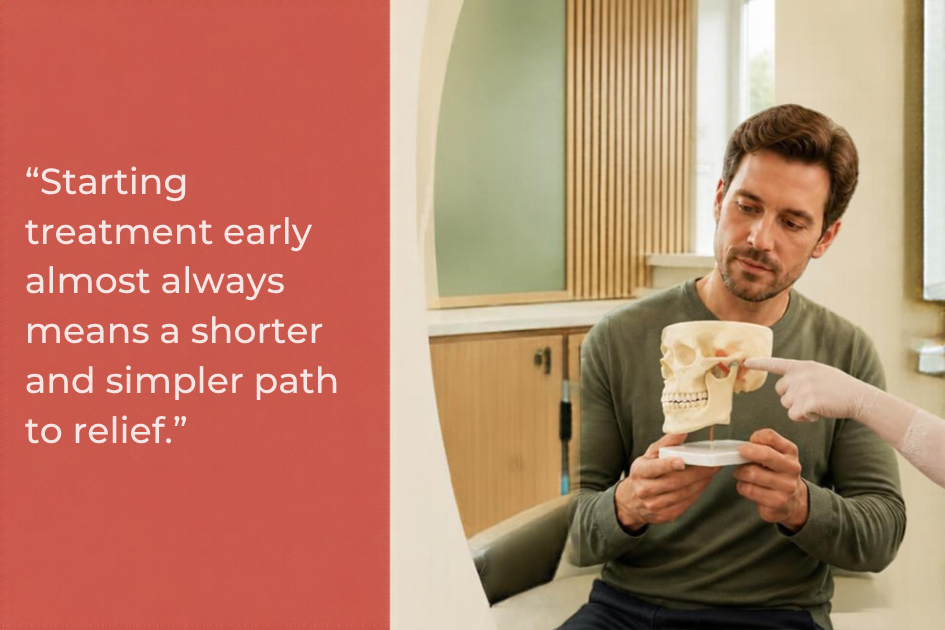
TMJ disorder does not tend to resolve on its own, and in many cases it gets worse over time without treatment. Ongoing grinding and clenching wears down tooth enamel, which can lead to cracking, sensitivity, and eventually more extensive dental work. Chronic jaw pain affects sleep quality, concentration, and your ability to eat comfortably. The longer the joint is under stress without intervention, the more risk there is of developing joint damage that is harder to reverse. Starting treatment early almost always means a shorter and simpler path to relief.
How TMJ Disorder Is Diagnosed
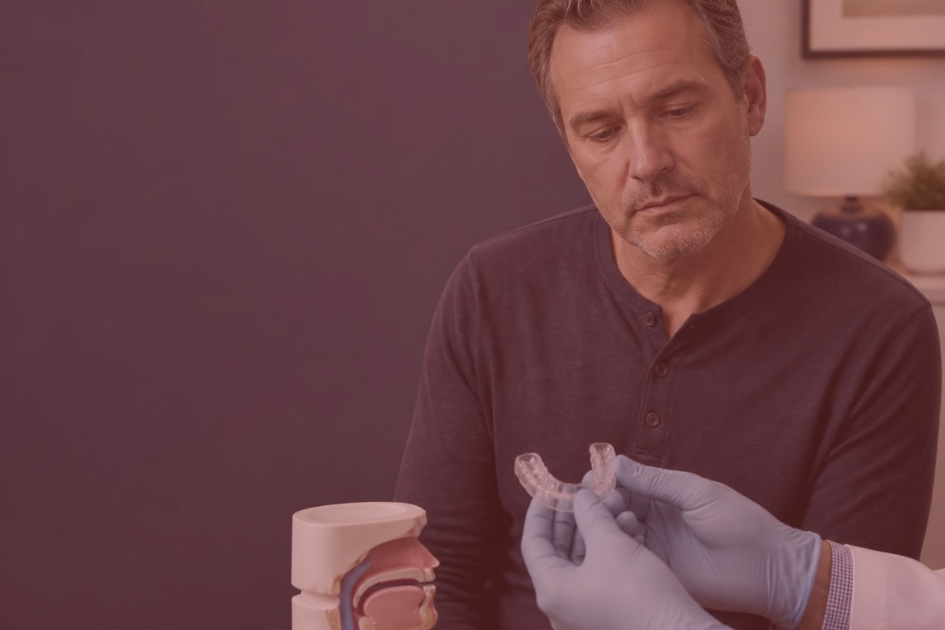
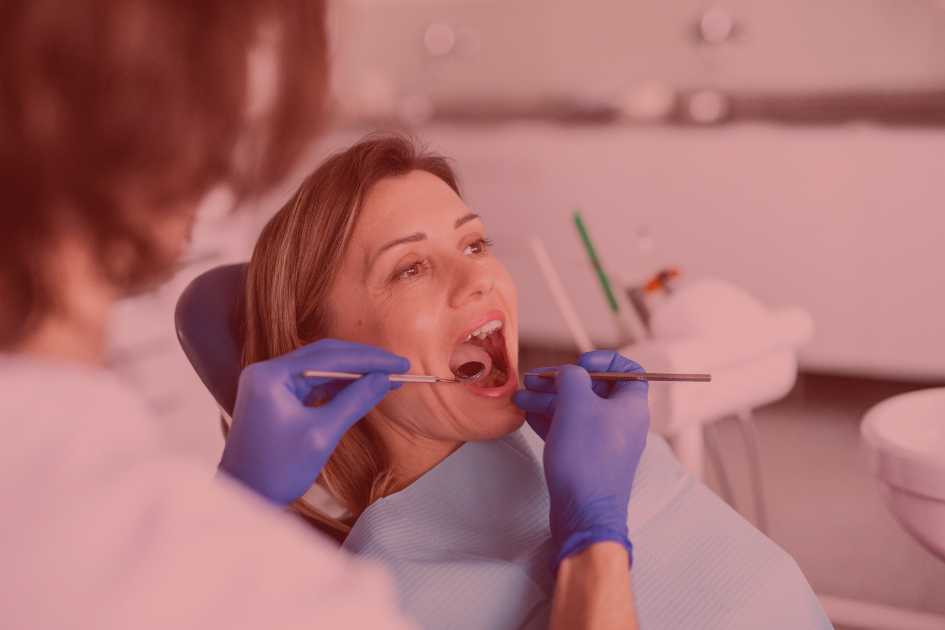
At Above & Beyond Dental, a TMJ evaluation begins with a thorough conversation about your symptoms, how long you have been experiencing them, and what seems to make them better or worse. Dr. Robertson will examine your jaw for tenderness, assess the range of motion, and listen for clicking or popping during movement. He will also evaluate your bite and tooth wear patterns, which can reveal a lot about what is happening at the joint level. Digital X-rays may be used to get a clearer picture of the joint structure. This comprehensive approach ensures that treatment is targeted to the actual cause rather than just the surface symptoms.
Conservative Treatment Options for TMJ Disorder
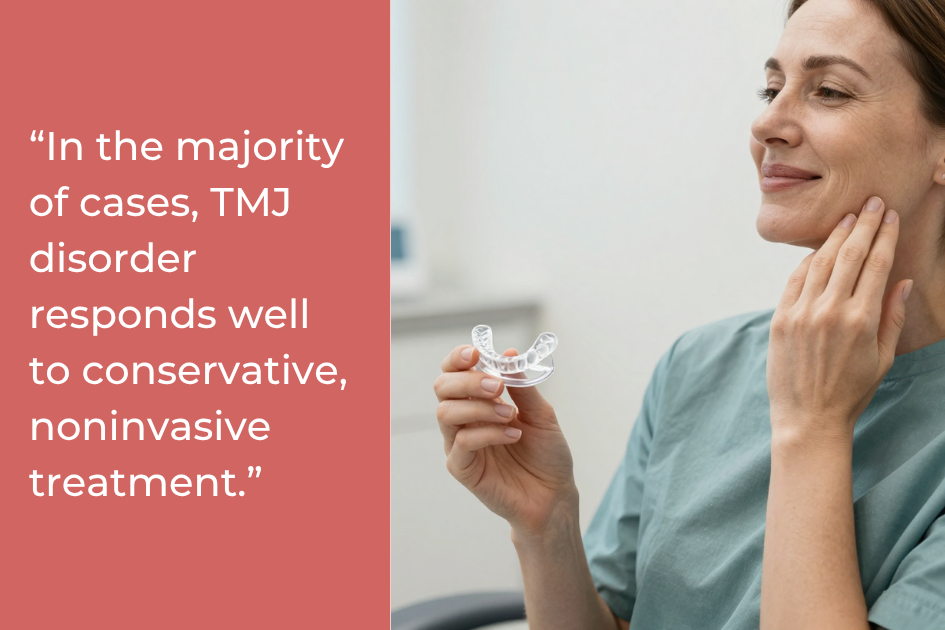
In the majority of cases, TMJ disorder responds well to conservative, noninvasive treatment. The goal is always to start with approaches that are reversible and low-risk. Common options include:
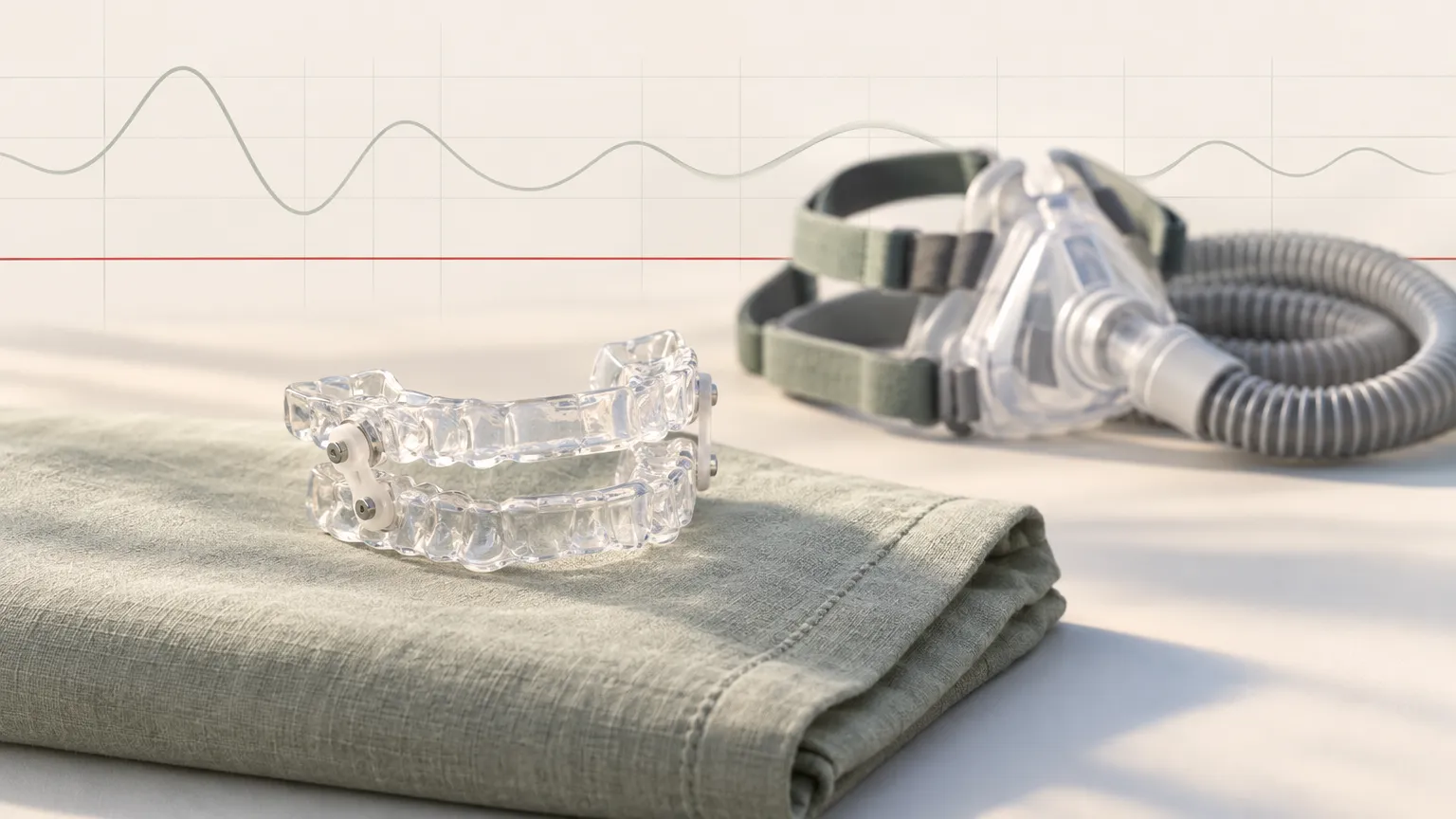
- A custom oral splint or night guard to reduce pressure on the joint during sleep and prevent grinding
- Lifestyle adjustments such as avoiding hard, chewy, or crunchy foods during flare-ups
- Applying a warm compress to the jaw to relax the surrounding muscles
- Targeted jaw stretches and exercises to improve mobility and reduce tension
- Stress management techniques to address the root cause of clenching behavior
- Over-the-counter anti-inflammatory medications to manage pain during acute episodes
A custom night guard from Dr. Robertson is far more effective than a store-bought option because it is designed specifically for your bite, which means it positions the jaw correctly rather than just adding a generic layer of cushioning.
Dental Treatment Options for TMJ Disorder
When conservative measures alone are not enough, dental treatment can address the underlying structural contributors to TMJ disorder. Bite correction is one of the most impactful interventions, since misaligned teeth place uneven pressure on the joint with every chew. Depending on the nature of the misalignment, orthodontic treatment or minor bite adjustments may be recommended. In some cases, restorative dental work to replace missing teeth or correct worn surfaces can also relieve strain on the joint. Dr. Robertson will assess your specific situation and build a treatment plan that addresses the root cause rather than just managing symptoms.
When More Advanced Treatment May Be Needed
Most patients with TMJ disorder find significant relief through conservative and dental treatment before more intensive intervention is ever needed. However, in cases where structural damage to the joint is present or where conservative treatment has not produced adequate results, referral to an oral surgeon may be appropriate. This is the exception rather than the rule, and Dr. Robertson will always discuss every option with you clearly before any decisions are made.
Tips for Managing TMJ Symptoms at Home
While professional treatment is the most effective route to lasting relief, there are things you can do between appointments to manage your symptoms day to day:
- Apply a warm compress to the jaw for 10 to 15 minutes to ease muscle tension
- Stick to softer foods during flare-ups and cut food into smaller pieces
- Avoid habits that put extra strain on the joint, including gum chewing, nail biting, and resting your chin in your hand
- Be mindful of clenching during the day, especially during stressful tasks, and practice consciously relaxing the jaw
- Keep your teeth slightly apart when at rest, with lips closed and tongue resting on the roof of the mouth
- Work on posture, particularly keeping your head aligned over your shoulders rather than jutting forward
Why Choose Above and Beyond Dental for TMJ Treatment in Borger TX
Dr. Robertson takes a thorough, patient-centered approach to TMJ care, starting with understanding what is actually driving your symptoms rather than defaulting to a one-size-fits-all solution. At Above & Beyond Dental, treatment always begins with the most conservative options available, and the goal is always lasting relief rather than just temporary management. The practice uses advanced digital imaging to support accurate diagnosis, and every treatment plan is built around your specific bite, habits, and lifestyle. Patients in Borger, TX who have been dealing with jaw pain for years often find that a single comprehensive evaluation gives them more clarity than they have had in a long time.
You Do Not Have to Live With Jaw Pain
Jaw pain, headaches, and clicking sounds are not just inconveniences you have to push through. They are signals that something in the jaw joint system needs attention, and effective treatment is available. Whether your symptoms are mild or have been disrupting your sleep and daily life for months, Dr. Robertson and the team at Above & Beyond Dental are here to help. Visit aboveandbeyonddental.com to schedule your TMJ evaluation and take the first step toward real relief.