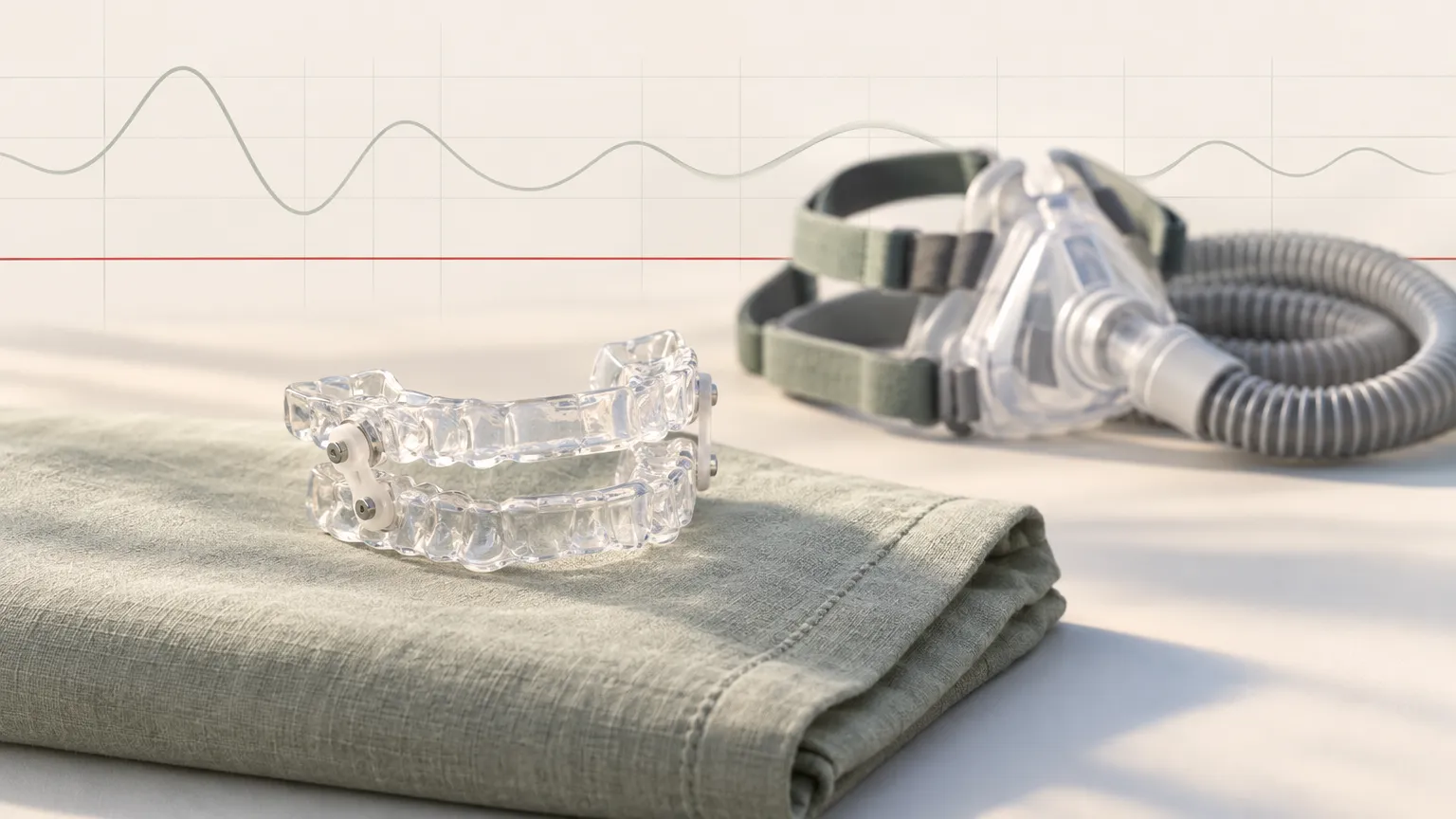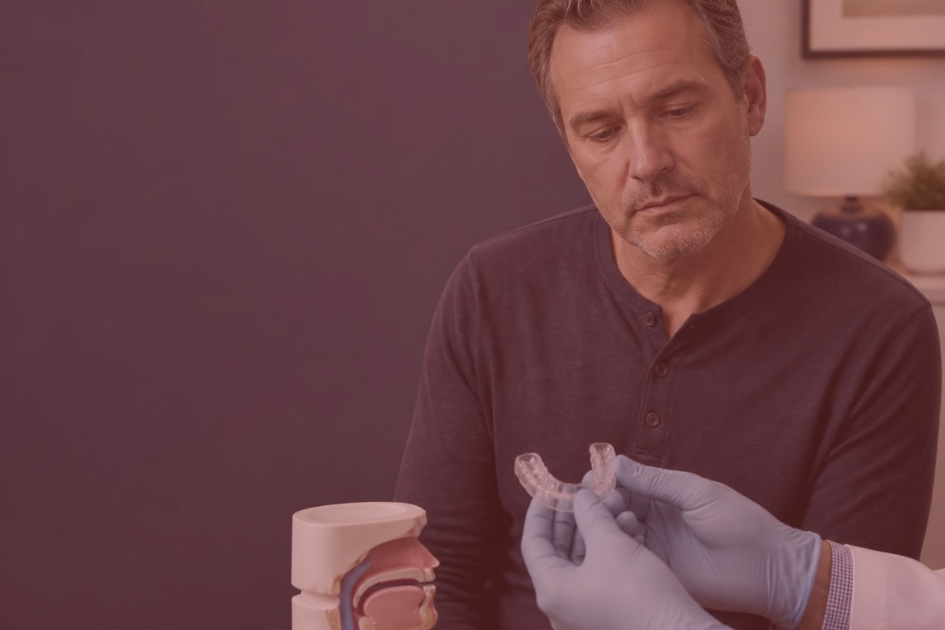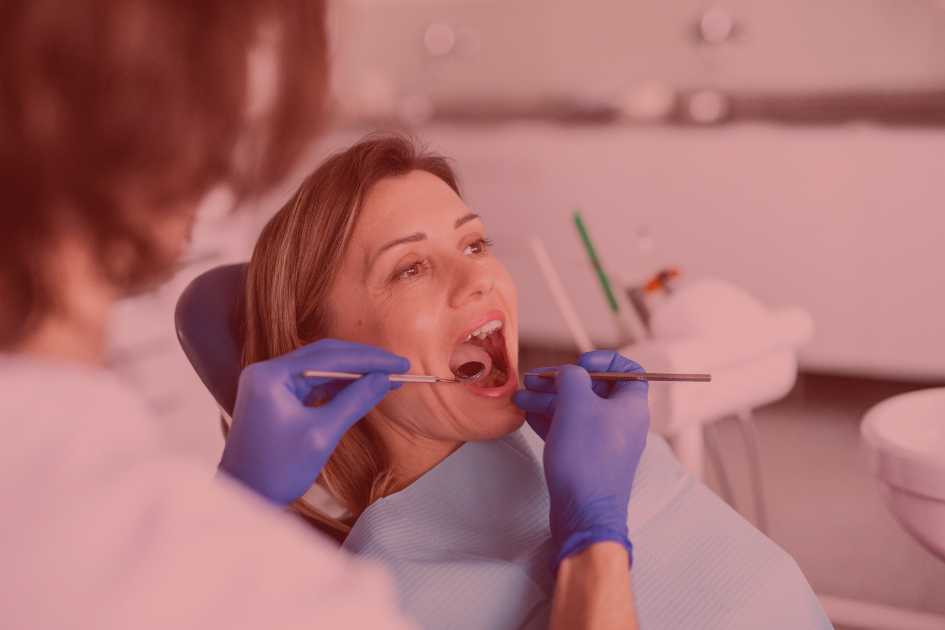

Most of us know that brushing and flossing are key to a healthy smile, but do we truly understand how often we should be doing it? Establishing a consistent oral hygiene routine isn’t just about aesthetics; it plays an essential role in our overall health. By exploring the right frequencies and techniques, we can prevent common dental issues. Let’s uncover the best practices to guarantee our smiles remain bright and healthy for years to come.
Why Daily Brushing and Flossing Matter
Daily brushing and flossing are essential for maintaining not just our oral health but also our overall well-being. When we neglect these habits, plaque and bacteria can build up, leading to common dental issues. By understanding this connection, we can take proactive steps to protect our smiles and our health.
The Connection Between Oral Hygiene and Overall Health
While many people may think of oral hygiene as solely a matter of aesthetics, maintaining a consistent brushing and flossing routine is essential for our overall health. Our dental habits directly influence systemic diseases and the inflammation connection tied to them. Here are some key points to take into account:
- Nutrition Impact: What we eat affects our oral health and immune response.
- Bacteria Diversity: Healthy mouths host diverse bacteria, preventing harmful buildup.
- Lifestyle Choices: Smoking and poor habits can exacerbate dental issues.
- Preventive Measures: Regular care reduces dental anxiety and promotes well-being.
How Plaque and Bacteria Build Up on Teeth
As we go about our daily routines, it’s easy to overlook the importance of brushing and flossing in preventing plaque and bacterial buildup on our teeth. Plaque formation begins when food particles and sugars combine with saliva, creating a sticky film. If we don’t brush and floss daily, bacterial growth accelerates, leading to cavities and gum disease. Regular cleaning disrupts this process, removing plaque before it hardens into tartar. By committing to our oral hygiene, we not only keep our smiles bright but also protect our overall health. Daily brushing and flossing are essential to maintain a healthy mouth.
Common Dental Problems Caused by Poor Oral Hygiene
Neglecting our oral hygiene can lead to several common dental problems that impact not just our smiles but our overall health. By not brushing and flossing daily, we increase our risk of:
- Cavities and tooth decay – Bacteria thrive and produce acids that erode enamel.
- Gum disease – Plaque buildup can cause inflammation and infections.
- Bad breath – Food particles and bacteria create unpleasant odors.
- Dental abscesses and oral infections – Ignoring signs can lead to serious complications, including oral cancer.
Prioritizing our daily routine helps in cavity prevention and maintains our dental health.
How Often Should You Brush Your Teeth?
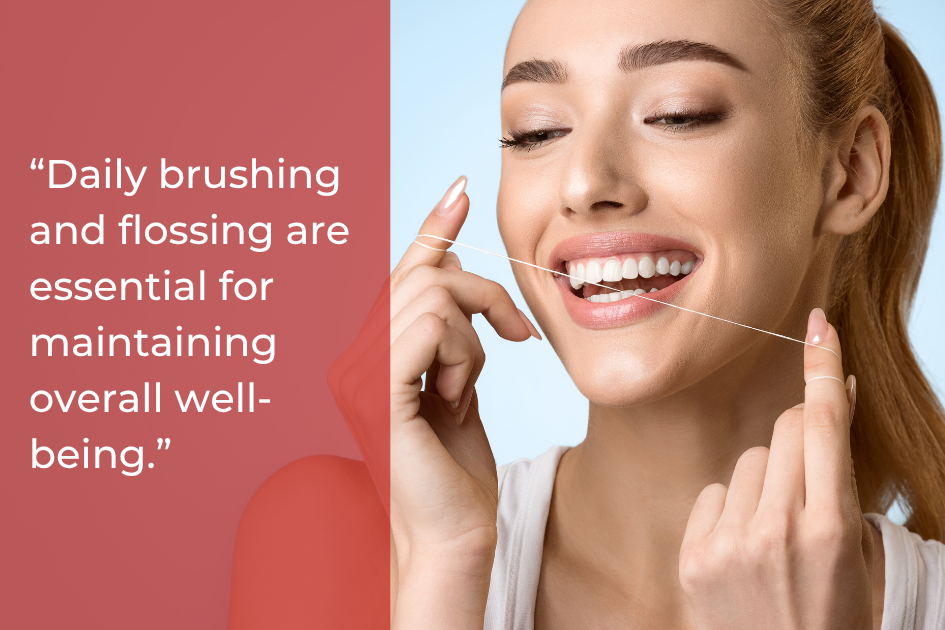
When it comes to brushing our teeth, dentists typically recommend doing so at least twice a day. This practice not only helps remove plaque but also plays a vital role in preventing cavities and gum disease. Let’s explore the best times to brush, how long we should spend brushing, and why consistency is key for our oral health.
What Dentists Recommend for Daily Brushing
Most dentists recommend brushing our teeth at least twice a day to maintain ideal oral health. To enhance our daily brushing routine, let’s consider these essential tips:
- Morning Routine: Start our day by brushing for two minutes to remove plaque.
- Evening Routine: Brush again before bed to prevent bacteria buildup overnight.
- Toothbrush Care: Replace your toothbrush every three months or sooner if the bristles fray.
- Toothpaste Selection: Choose fluoride toothpaste to strengthen enamel and promote dental health.
Why Brushing Twice a Day Is Important
Brushing our teeth twice a day plays an essential role in maintaining ideal oral health. This routine helps remove plaque and food particles, reducing the risk of cavities and gum disease. Effective brushing techniques, like using a soft-bristled toothbrush and brushing for two minutes, guarantee we clean all surfaces thoroughly. It’s important to dispel dental myths that suggest brushing less frequently is sufficient; neglecting our dental care can lead to serious issues. By committing to a twice-daily brushing habit, we not only enhance our smiles but also contribute to our overall health and well-being. Let's prioritize this simple yet crucial practice.
The Best Times to Brush Your Teeth
To maintain ideal oral health, we should aim to brush our teeth at least twice a day, once in the morning and once before bed. Establishing a routine helps guarantee we keep our smiles bright. Here are the best brushing times to contemplate:
- Morning routine: Brush after breakfast to eliminate plaque and freshen breath.
- Before bed: Nighttime habits are vital to remove food particles and bacteria.
- After snacks: If we snack frequently, a quick brush can help maintain freshness.
- Post-exercise: Brushing after workouts can prevent acidity from damaging enamel.
Sticking to this brushing frequency is essential for our oral health.
How Long You Should Brush Each Time
After establishing a routine to brush twice daily, it’s important to reflect on how long we should brush each time. Ideally, we should aim for a brushing duration of two minutes. To make the most of this time, we can use timing techniques, like a timer or a smartphone app, to guarantee we cover all areas effectively. By dividing our mouth into quadrants and spending about 30 seconds on each, we help guarantee a thorough clean. Remember, the key to a healthy smile lies not just in frequency but also in the quality and duration of our brushing sessions.
How Often Should You Floss?

When we think about our oral health, flossing is just as essential as brushing. Skipping this simple step can lead to plaque buildup and gum issues that affect our overall smile. So, let's explore how often we should be flossing and the best times to make it part of our routine.
Why Flossing Is Just as Important as Brushing
While brushing is essential for maintaining oral health, we can’t overlook the importance of flossing. Flossing not only complements our brushing routine but also offers several key benefits:
- Removes plaque between teeth where brushes can’t reach.
- Prevents gum disease by reducing inflammation.
- Freshens breath by eliminating food particles.
- Helps us save on dental bills by preventing cavities.
Despite common flossing myths, like it being unnecessary if we brush well, incorporating flossing into our daily routine is crucial. Embracing these flossing benefits can greatly enhance our oral health and overall well-being.
What Happens When You Skip Flossing
Skipping flossing can lead to a cascade of oral health issues that many might not realize. Without regular flossing, plaque builds up between teeth, increasing the risk of cavities and gum disease. We may notice bad breath and swollen gums as early signs. While flossing techniques vary, relying on flossing alternatives like interdental brushes or water flossers isn't a complete substitute. These options can aid in cleaning, but they often don’t replace the effectiveness of traditional floss. Ultimately, consistent flossing is essential for maintaining overall oral health and preventing more serious dental problems down the line.
The Best Time of Day to Floss
Flossing daily is essential for maintaining ideal oral health, and timing can play a significant role in its effectiveness. We can optimize our dental hygiene by incorporating flossing into either our morning routine or evening routine. Here are some tips to contemplate:
- Morning Flossing: Helps remove plaque buildup overnight.
- Evening Flossing: Cleans food particles after meals.
- Consistent Timing: Sticking to a specific time reinforces the habit.
- Before Brushing: Flossing before brushing can enhance fluoride absorption.
Proper Brushing Techniques for a Healthier Smile
When it comes to achieving a healthier smile, mastering proper brushing techniques is essential. We’ll explore how to choose the right toothbrush and toothpaste, the importance of gentle brushing, and the areas of the mouth that often get overlooked. By honing these skills, we can greatly enhance our oral health.
Choosing the Right Toothbrush and Toothpaste
Selecting the right toothbrush and toothpaste is essential for maintaining a healthy smile. We should consider both toothbrush technology and toothpaste ingredients to make informed choices. Here are four key factors to keep in mind:
- Bristle Type: Choose soft bristles to effectively clean without damaging gums.
- Head Size: Opt for a smaller head for easier access to all areas.
- Toothpaste Fluoride: Look for fluoride to strengthen enamel and prevent decay.
- Natural Ingredients: Consider toothpaste with natural ingredients for a gentler clean.
Gentle Brushing vs Aggressive Brushing
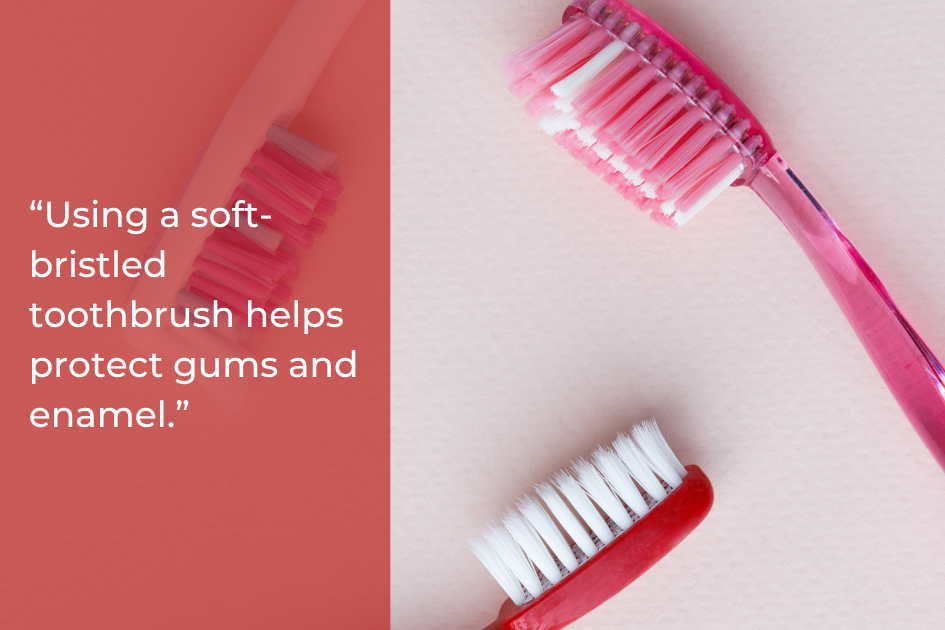
While it might be tempting to scrub away at our teeth with aggressive brushing techniques, doing so can actually harm our gums and enamel. Instead, we should focus on gentle techniques that effectively clean our teeth without causing damage. Using a soft-bristled toothbrush, we can apply light pressure and use circular motions to remove plaque. This approach not only protects our oral health but also promotes a healthier smile. Let’s remember that brushing for two minutes, twice a day, with gentleness is key. By avoiding aggressive tactics, we enhance our dental routine and safeguard our teeth for the long term.
Areas of the Mouth People Commonly Miss
Many of us overlook specific areas in our mouths during our brushing routine, leading to plaque buildup and potential dental issues. By improving our brushing techniques, we can target these common blind spots:
- Back Molars - Often neglected, these areas trap food particles.
- Gum Line - Plaque accumulates here, risking gum disease.
- Tongue Surface - Bacteria can linger, affecting breath freshness.
- Interdental Spaces - These overlooked areas require flossing tips for thorough cleaning.
Proper Flossing Techniques to Protect Your Gums
When it comes to flossing, using the right techniques is essential for protecting our gums. We’ll explore how to floss correctly without causing damage, compare traditional floss with water flossers, and share tips to make flossing easier and more consistent. By mastering these methods, we can all achieve a healthier smile together.
How to Floss Correctly Without Damaging Gums
Flossing correctly is essential for maintaining healthy gums and preventing dental issues. To guarantee our flossing techniques protect gum health, let’s follow these steps:
- Use about 18 inches of floss, winding it around our fingers for grip.
- Gently slide the floss between teeth, avoiding snapping it, which can harm gums.
- Curve the floss around each tooth in a C-shape, ensuring we clean below the gumline.
- Use a fresh section of floss for each tooth to avoid transferring bacteria.
Traditional Floss vs Water Flossers
While both traditional floss and water flossers can effectively clean between teeth, choosing the right option depends on our individual needs and preferences. Traditional flossing is often praised for its effectiveness in removing plaque, while water flosser benefits include ease of use and gentleness on gums. When considering flossing alternatives, we should evaluate oral hygiene comparisons to determine what suits us best. Despite common flossing myths suggesting one method is superior, both tools can enhance our dental care. Ultimately, understanding floss effectiveness and incorporating these dental care tools into our routine helps us maintain ideal oral health.
Tips for Making Flossing Easier and More Consistent
How can we make flossing a seamless part of our daily routine? By incorporating effective strategies, we can overcome flossing challenges and establish consistency. Here are some tips:
- Use the Right Flossing Tools: Choose tools that suit your preference, whether traditional floss or a water flosser.
- Set Motivational Reminders: Use phone alerts or sticky notes to prompt us.
- Implement Family Flossing: Make it a group activity to encourage each other.
- Reward Ourselves: Celebrate consistent flossing with small rewards.
Signs Your Oral Hygiene Routine May Need Improvement
As we prioritize our oral health, it’s crucial to recognize when our hygiene routine might need some adjustments. Signs like bleeding gums, persistent bad breath, or increased tooth sensitivity can indicate underlying issues that deserve attention. By understanding these signals, we can better determine when it’s time to schedule a professional dental cleaning.
Bleeding Gums and Persistent Bad Breath
When we notice bleeding gums and persistent bad breath, it often signals that our oral hygiene routine needs a thorough evaluation. Addressing these issues is essential for maintaining gum health and overall well-being. Here are some steps we can take to improve our oral care:
- Brush Twice Daily: Use fluoride toothpaste and a soft-bristle toothbrush.
- Floss Daily: Clean between teeth to remove plaque and food particles.
- Stay Hydrated: Drink plenty of water to help wash away bacteria.
- Visit the Dentist: Schedule regular check-ups for professional cleanings and assessments.
Taking these actions can greatly enhance our dental health.
Tooth Sensitivity and Plaque Buildup
Tooth sensitivity and plaque buildup often signal that our oral hygiene routine might need some adjustment. Sensitivity triggers, like hot or cold foods, can indicate weakened tooth enamel, often exacerbated by poor plaque prevention. We should consider the dietary impact on our oral health; sugary or acidic foods can lead to gum inflammation and increased plaque. Evaluating our dental products is essential; using fluoride toothpaste and effective mouthwash can enhance our routine. By addressing these issues, we can improve our oral hygiene, ensuring a healthier smile and reducing discomfort from sensitivity and plaque buildup. Let's prioritize our dental care together!
When to Schedule a Professional Dental Cleaning
Many of us might overlook signs that our oral hygiene routine needs a boost. Recognizing when it’s time for a professional cleaning is key to maintaining ideal oral health. Here are some indicators we shouldn’t ignore:
- Increased plaque buildup between visits.
- Persistent bad breath despite regular brushing and flossing.
- Gum inflammation or bleeding when we floss.
- Tooth sensitivity that worsens over time.
Oral Hygiene Tips for Children, Teens, and Adults
As we explore oral hygiene tips for children, teens, and adults, it's crucial to recognize the importance of building healthy habits early. For teens with braces or aligners, specific care routines can make a significant difference in their oral health. Finally, maintaining these habits into adulthood guarantees a lifetime of smiles.
Helping Children Build Healthy Habits Early
While establishing good oral hygiene habits early in life is essential, it's equally important for us to guide our children through the process. By making children's oral hygiene enjoyable, we can help them adopt lasting habits. Here are some tips:
- Create a Routine: Set a consistent brushing schedule.
- Use Fun Brushing Techniques: Incorporate songs or games to make brushing exciting.
- Choose Kid-Friendly Tools: Let them pick colorful toothbrushes and flavored toothpaste.
- Lead by Example: Show them how we care for our own teeth.
Together, we can nurture their smiles for a lifetime!
Oral Care Tips for Teens with Braces or Aligners
Building on the importance of instilling good oral hygiene habits, it’s vital to focus on teens with braces or aligners. We face unique challenges, so consistent brushing techniques become essential. For braces maintenance, we should brush after every meal, using a soft-bristle toothbrush and fluoride toothpaste. Aligner care requires us to clean them daily with a gentle soap solution. Incorporating dental products like interproximal brushes can help reach tricky spots. Setting routine reminders can keep us on track, while consistency tips like keeping our toothbrush handy guarantee we don’t skip. Together, we can maintain peak oral hygiene during this transformative time!
Maintaining Healthy Habits as an Adult
Maintaining healthy oral hygiene is essential for adults, especially as we juggle various responsibilities. By adopting effective adult dental habits, we can support our overall health and well-being. Here are some lifestyle oral hygiene tips to take into account:
- Brush twice daily with fluoride toothpaste.
- Floss at least once a day to remove plaque between teeth.
- Schedule regular dental check-ups every six months.
- Limit sugary snacks and drinks to reduce cavity risk.
The Importance of Regular Dental Checkups
Regular dental checkups are vital for maintaining our oral health. They not only support our daily hygiene efforts with professional cleanings but also play an important role in preventive care and early detection of potential issues. By establishing a long-term plan with our dentist, we can guarantee a healthier smile for years to come.
How Professional Cleanings Support Daily Oral Hygiene
While we all know the importance of brushing and flossing daily, professional cleanings play an essential role in supporting our oral hygiene efforts. These cleanings offer several professional cleaning benefits that enhance our routine maintenance:
- Removes plaque and tartar buildup that we might miss.
- Provides a thorough examination by a trained professional.
- Offers personalized advice on improving our daily habits.
- Helps in the early detection of potential issues.
Incorporating regular cleanings into our routine not only maintains our smile's health but also reinforces our commitment to daily oral hygiene, ensuring we keep our teeth and gums in prime condition.
Preventive Care and Early Detection
Understanding the significance of preventive care, we can see how regular dental checkups play an essential role in maintaining our oral health. These visits allow for early detection of potential issues, such as cavities or gum disease, before they escalate into more serious problems. By scheduling routine appointments, we empower ourselves to take preventive measures that can save us time, money, and discomfort in the long run. Our experienced team is dedicated to helping us achieve ideal oral health through personalized care, ensuring we stay on track and informed about our dental needs. Let's prioritize our smiles together!
Creating a Long-Term Plan for a Healthy Smile
To maintain a vibrant smile, establishing a long-term dental care plan is essential. Regular dental checkups play a vital role in achieving long-term consistency and fostering sustainable habits. We can take proactive steps for our oral health by committing to an all-encompassing plan. Here are four key components:
- Schedule biannual dental checkups.
- Maintain daily brushing and flossing routines.
- Discuss any dental concerns with our dentist promptly.
- Stay informed about new dental care practices.
Keep Your Smile Healthy with Consistent Daily Care
To maintain a healthy smile, we must focus on consistent daily care. By adopting small habits and building a sustainable oral hygiene routine, we can make a significant impact on our oral health. Additionally, partnering with our dentist guarantees we're on the right track for peak results.
Small Habits That Make a Big Difference
Consistently brushing and flossing our teeth can greatly impact our oral health. By making small adjustments to our daily routines, we can enhance our smiles and overall well-being. Here are four mindful practices to integrate into our lives:
- Set daily reminders to brush and floss at the same time.
- Use positive reinforcement, like rewarding ourselves after a week of consistent care.
- Incorporate patient education by learning about oral health benefits.
- Embrace lifestyle changes, such as choosing healthier snacks to support our dental goals.
Let’s commit to these habits for healthier smiles!
Building a Sustainable Oral Hygiene Routine
Building a sustainable oral hygiene routine is key to maintaining a healthy smile over the long term. We can start by choosing sustainable products, like eco-friendly toothbrushes and biodegradable floss, which benefit both our teeth and the planet. Incorporating oral hygiene apps into our daily routine helps us track our brushing and flossing habits, ensuring we stay consistent. These apps often provide reminders and tips, making it easier to establish good habits. By committing to these practices, we foster a healthier mouth and contribute to a more sustainable world. Let’s prioritize our oral health together for lasting benefits!
Partnering with Your Dentist for Better Oral Health
While we may think of oral care as a solo endeavor, partnering with our dentist can greatly enhance our oral health. A strong dental partnership fosters effective patient collaboration, ensuring we stay on track. Here are some ways to engage with our dentist for better results:
- Schedule regular check-ups to catch issues early.
- Discuss any concerns or changes in our oral health.
- Follow personalized care recommendations tailored to our needs.
- Utilize available resources, like educational materials, for ongoing learning.
Together, we can maintain our smiles and achieve excellent oral health through consistent, proactive care.
Conclusion
To summarize, maintaining a consistent brushing and flossing routine is like tending to a garden; neglecting it can allow problems to grow over time. Just as a gardener nurtures plants to encourage healthy blooms, caring for your teeth and gums every day helps your smile stay strong, healthy, and confident. By brushing twice daily and flossing consistently, you can reduce the risk of cavities, gum disease, and other oral health concerns while supporting your overall well-being. Small daily habits truly make a lasting difference. If it has been a while since your last dental checkup or professional cleaning, the team at Above & Beyond Dental in Borger, TX, is here to help you protect your smile with personalized preventive care and comfortable dental treatment for the whole family.